An article by HRH The Prince of Wales titled Science and homeopathy must work in harmony, The Daily Telegraph
Published
For me, the most heartening finding of the work so far has been the very wide measure of agreement between orthodox and complementary practitioners on the need for this to succeed.
In recent years, there has been an enormous growth in the use of complementary medicine - not only in Britain but also in other European countries, the United States and other parts of the world. More and more people are turning to homoeopathy, herbal medicine, acupuncture, osteopathy and a wide range of other treatments - mainly paid for out of their own pockets. I believe that this trend reflects a growing concern with the use of more and more powerful drugs and a potentially rather impersonal approach to healthcare. There is a feeling not only among patients, but also among GPs, nurses and other mainstream health practitioners, that there needs to be greater integration and inter-professional collaboration in patient care and that we can each, as individuals, play a greater role in contributing towards our own health and well-being. Health should be much more than the mere absence of disease or infirmity; and we should strive to ensure that everybody can fulfil the full potential and expression of their lives.
This is not to deny the value of the dramatic scientific discoveries, for example in molecular biology, that have enabled Western medicine to make leaps in our understanding of the disease process, and how to treat it. Serious illnesses and injuries that were once regarded as untreatable can now be cured and new forms of treatment are being developed all the time. I am confident that this trend will continue. Yet we know that new medical treatments and procedures can be costly to develop, and sometimes costly in application. As medicine becomes more sophisticated and more ambitious, so the costs have tended to rise.
Against this background, it hardly needs saying that we should try to make the best use of all our available resources. That is where complementary medicine could have an important - indeed, vital - role to play, in supporting and complementing current orthodox medical practice. Often it seems that complementary medicine can bring a different perspective and fulfil a real human need for a more personal touch which, in turn, can help unlock the individual's inner resources to aid the healing process. The goal we must work towards is an integrated healthcare system in which all the knowledge, experience and wisdom accumulated in different ways, at different times and in different cultures is effectively deployed to prevent or alleviate human suffering.
Over the past two decades, I have supported efforts to focus healthcare on the particular needs of the individual patient, employing the best and most appropriate forms of treatment from both orthodox and complementary medicine in a more integrated way. I have been greatly encouraged to see the progress which has been made in increasing the range of choice available to the individual and to the medical practitioner. These changes in attitude were reflected in the BMA's report 'Complementary Medicine: New Approaches to Good Practice', published in 1993, and a report by the General Medical Council - 'Tomorrow's Doctor' - in the same year. Some complementary treatments are now available within the National Health Service and an independent survey for the Department of Health in 1995 showed that almost 40% of GP partnerships in England provide access to complementary medicine for NHS patients, either by undertaking these treatments themselves or by delegating them to a complementary practitioner. Acupuncture, homoeopathy and osteopathy were the most frequently used.
There has been progress in education and in standard-setting, too. There has been an increase in the number of accredited university courses for students wishing to study for a career in a number of different complementary medical professions. Two of these - osteopathy and chiropractic - have recently become regulated by Act of Parliament and some of the other professions are working hard to establish credible and effective systems of professional self-regulation.
But there is still a great deal to do. Last year I asked a group of leading individuals from different scientific, educational and healthcare backgrounds for their advice on how we could make further progress. We established four working groups and produced a draft report on what seemed to be the main issues, which was circulated for comment to a large number of individuals and organisations with an interest in orthodox and complementary healthcare. These included royal colleges, leading researchers, medical schools, consumers of healthcare and bodies representing practitioners of complementary medicine.
The results of 18 months' discussion and consultation are published today in a new report entitled 'Integrated Healthcare: A Way Forward for the Next Five Years?' I pay tribute in particular to the dedication and commitment of those who chaired and participated in the working groups.
The report makes 28 specific proposals for further consideration and development. It suggests ways of introducing effective systems of self-regulation for complementary medical professions and therapies to protect the public. It explains how research into the safety and effectiveness of complementary medicine might be organised and funded. It proposes developments in education and training for both orthodox and complementary practitioners, draws attention to good practice in the delivery of integrated healthcare and suggests a wider and more detailed survey to form the basis of future guidance on best practice.
But the report is not a definitive blueprint for action. Its purpose is to stimulate a wider public and professional debate about the possible role of complementary medicine within the changing pattern of healthcare in this country.
For me, the most heartening finding of the work so far has been the very wide measure of agreement between orthodox and complementary practitioners on the need for this to succeed. It seems to me that we have reached a defining moment in our attitude towards healthcare in this country. I believe that we have a unique opportunity to take stock and consider how we can make the very best use of all our precious healthcare resources. We must respond to what the public are clearly showing they want by placing more emphasis on prevention, healthy lifestyles and patient-centred care. Integrated healthcare is an achievable goal. It is one we cannot afford to miss.
Related content
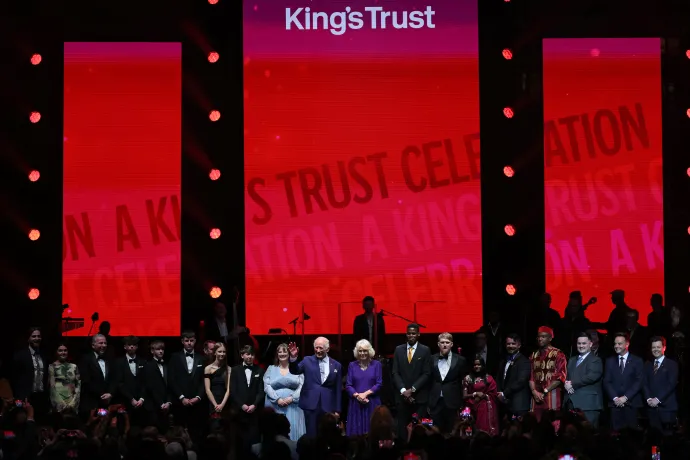
Remarks by The King at 'A King's Trust Celebration' at the Royal Albert Hall
You'll all make a huge difference to this country and many others.
A speech by His Majesty The King at the White House State Dinner, Washington
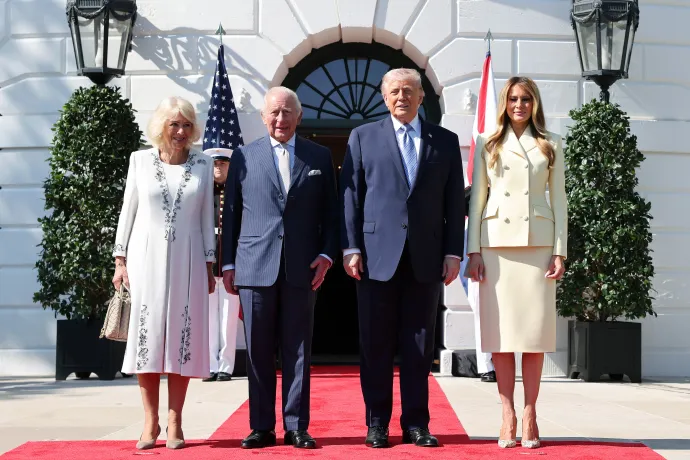
Tonight, we are here to renew an indispensable alliance which has long been a cornerstone of prosperity and security for both British and American citizens. Our people have...
The King's Commonwealth Day Message 2026
Working together, we can ensure that the Commonwealth continues to stand as a force for good – grounded in community, committed to the kind of restorative sustainability that...
A message from The King on the death of Reverend Jesse Jackson
My wife and I were deeply saddened to hear of the death of the Reverend Jesse Jackson. We send our deepest sympathy to his family. I remember with great fondness meeting him...
A message from The King ahead of a reception at Windsor Castle to celebrate carers
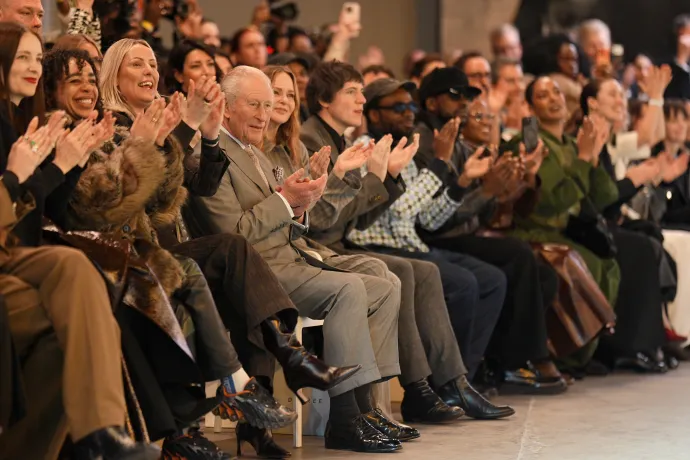
So to those who provide care - whether you wear a uniform or simply the clothes you felt able to pull on in the morning - please know that the great love you show in small...
A message from The King, following the attack at Tumbler Ridge Secondary School in British Columbia
My wife and I were profoundly shocked and saddened to learn of the most dreadful attack at Tumbler Ridge Secondary School in British Columbia. We can only express our deepest...
Announcement of a State Visit by the President of the Federal Republic of Nigeria
A speech by His Majesty The King at the Lord High Admiral’s Divisions Parade, Britannia Royal Naval College, Dartmouth
My own service taught me that leadership is not about rank; it is, and has always been, about character. It is about making sound decisions under pressure, holding firm to our...
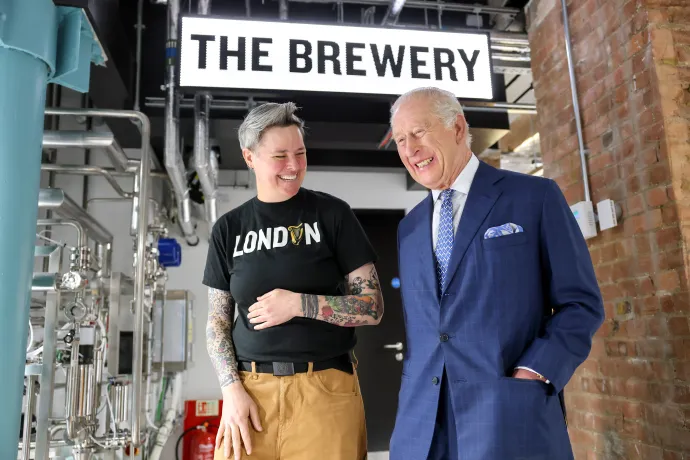
A message from The King in support of Stand Up To Cancer
Throughout my own cancer journey, I have been profoundly moved by what I can only call the 'community of care' that surrounds every cancer patient - the specialists, the...
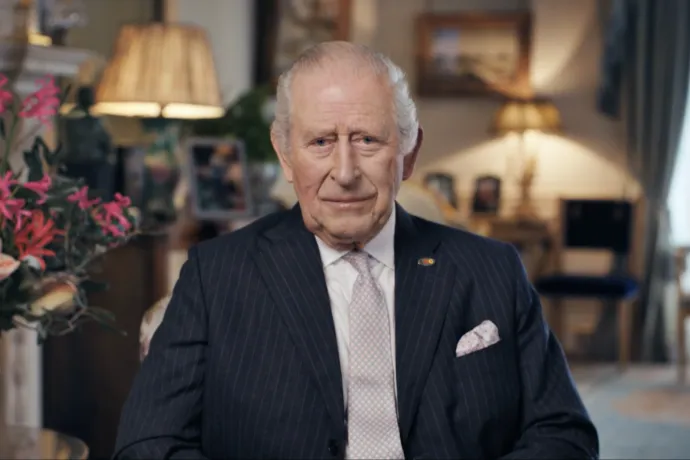
State Visit by The President of The Federal Republic of Germany and Ms. Büdenbender
03 December 2025
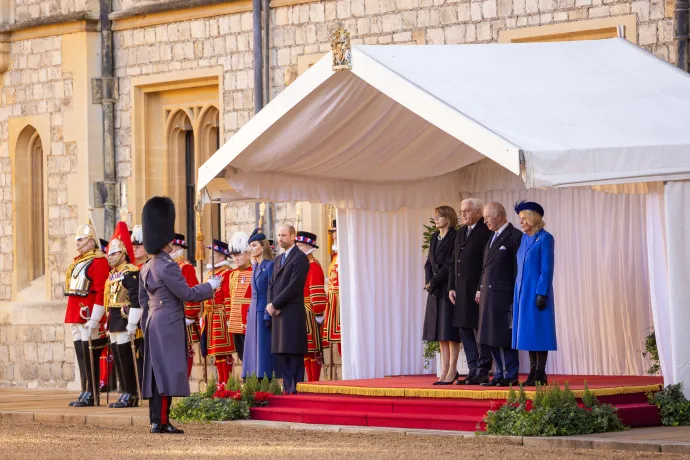
A message from The King to the people of South and Southeast Asia following devastating floods across the region.
My wife and I are deeply saddened to learn of the devastation caused by the terrible storms across South and Southeast Asia. We can only begin to imagine the scale of...
A message from The King to the people of Hong Kong following the devastating fire in Tai Po.
My wife and I were greatly saddened to learn of the devastating fire in Tai Po and feel deeply for the people of Hong Kong at such a tragic time. Our most heartfelt thoughts...
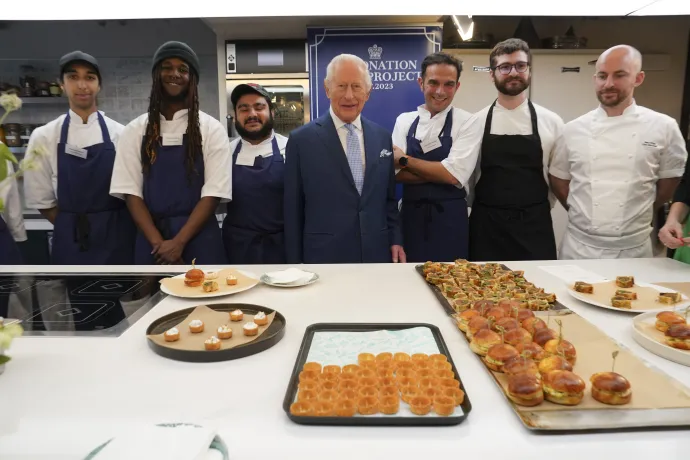
A message of condolence from His Majesty The King following the passing of Manfred Goldberg, Holocaust survivor and educator.
My wife and I were most deeply saddened to hear the news of Manfred Goldberg’s recent death and, together with everyone present, mourn his great loss in our hearts and souls...
A message from The King to the people of Jamaica and all those across the Caribbean affected by Hurricane Melissa
My wife and I have been deeply concerned and profoundly saddened to see the catastrophic damage caused by the ferocity of Hurricane Melissa in Jamaica and across the Caribbean...